

Swap Vs Swop: What Is the Difference & Which Is Correct?

By Nauman Anwar
Swap and swop have the same basic meaning: to exchange one thing for another. The main difference is usage and regional preference. Swap is by ...
Explore synonyms in English to improve your vocabulary and writing clarity. Learn similar words, understand their differences, and choose the right word for every context with simple explanations and real examples.
By Nauman Anwar
Swap and swop have the same basic meaning: to exchange one thing for another. The main difference is usage and regional preference. Swap is by ...

By Nauman Anwar
Mother tongue and native language are often used as if they mean exactly the same thing, but they can carry slightly different meanings depending on ...

By Nauman Anwar
Setup vs set up is a common English grammar confusion because the two forms look almost identical but perform different jobs. Setup is usually a ...
By Nauman Anwar
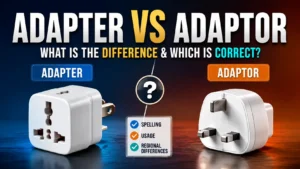
Adapter and adaptor are two spellings of the same word, and both are correct. The main difference is usually regional preference, style, and convention, rather ...
By Nauman Anwar
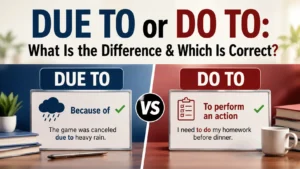
“Due to” and “do to” sound almost identical, but they have very different meanings and grammatical roles. Due to is the standard phrase used to ...

By Nauman Anwar
“Thanks a lot” is a common English expression used to show gratitude, but its meaning can depend on tone and context. In most situations, it ...

By Nauman Anwar
“Did you had” and “did you have” may look similar, but only one follows standard English grammar. The confusion happens because did already marks the ...
By Nauman Anwar
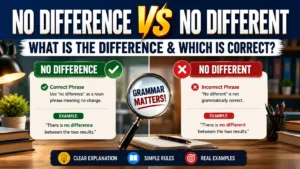
“No difference” and “no different” may look similar, but they serve different grammatical purposes. The key is understanding the difference between the noun difference and ...

By Nauman Anwar
“My wife and I” and “my wife and me” are both grammatically correct, but they are used in different parts of a sentence. The choice ...
By Nauman Anwar
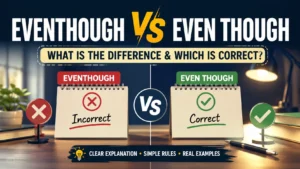
“Eventhough” and “even though” look almost identical, but only one is correct in standard English. This common spelling mistake happens because the two words sound ...